Plant managers rarely hesitate about the value of a strong film. They hesitate because they have seen an unprepared production crew treat a live industrial facility like an open studio—blocking walkways, stalling supervisors, and turning a two-hour interview window into a lost afternoon.
Across refineries, compressor stations, fabrication shops, and utility corridors, we have learned that great industrial filmmaking starts long before load-in. When safety compliance, shift timing, and interview prep are engineered up front, crews capture stronger footage with a fraction of the disruption.
This field guide lays out the five operational steps we use on every industrial and energy shoot—from the first site call to final HSE and executive sign-off.
Chapter 01 · Safety & Site Access
Clear Safety & Access Two Weeks Out
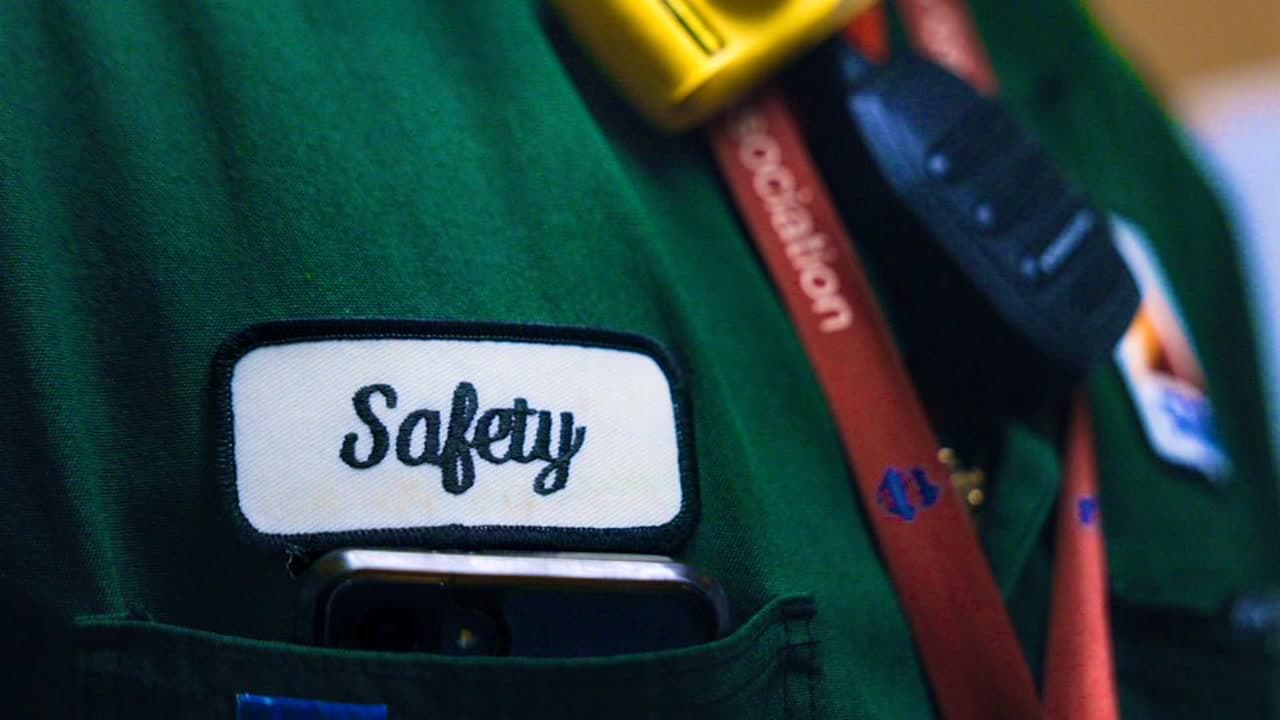
Nothing slows down a shoot day faster than paperwork at the gate. Every site-specific orientation, badge request, and PPE requirement should be resolved before equipment ever leaves the shop.
Start by naming one site sponsor who owns escort logistics and knows the exact classification of every area on the shot list. Confirm FRC requirements, hard-hat and eyewear specs, steel-toe boots, H2S monitors, and whether intrinsically safe gear or hot-work permits restrict battery-powered lights or wireless transmitters in process units.
Submit crew rosters, vehicle info, and serialized equipment lists at least ten business days ahead of arrival. When security and HSE already expect the crew, morning check-in takes ten minutes instead of ninety.
“If a crew shows up asking what PPE is required, they have already lost the site's trust.”
Chapter 02 · Shift-Aligned Planning
Build the Schedule Around Active Shifts
Industrial operations follow real mechanical windows: morning JSA briefings, shift handoffs, crane picks, and scheduled maintenance runs. Plan the shot list around work that is already happening.
Avoid asking operations teams to stage artificial tasks whenever authentic work is already on the board. Real crews working real equipment move with natural rhythm and body language that viewers inside the industry recognize immediately.
Group your capture into two clean lanes: quiet interior interviews scheduled during mid-shift lulls, and exterior or floor b-roll timed to daylight and active work windows. Always build a 30-minute weather or operations buffer into the run-of-show so one unit hold never derails the day.
Chapter 03 · Lean Crew Footprint
Keep the Footprint Lean and Mobile
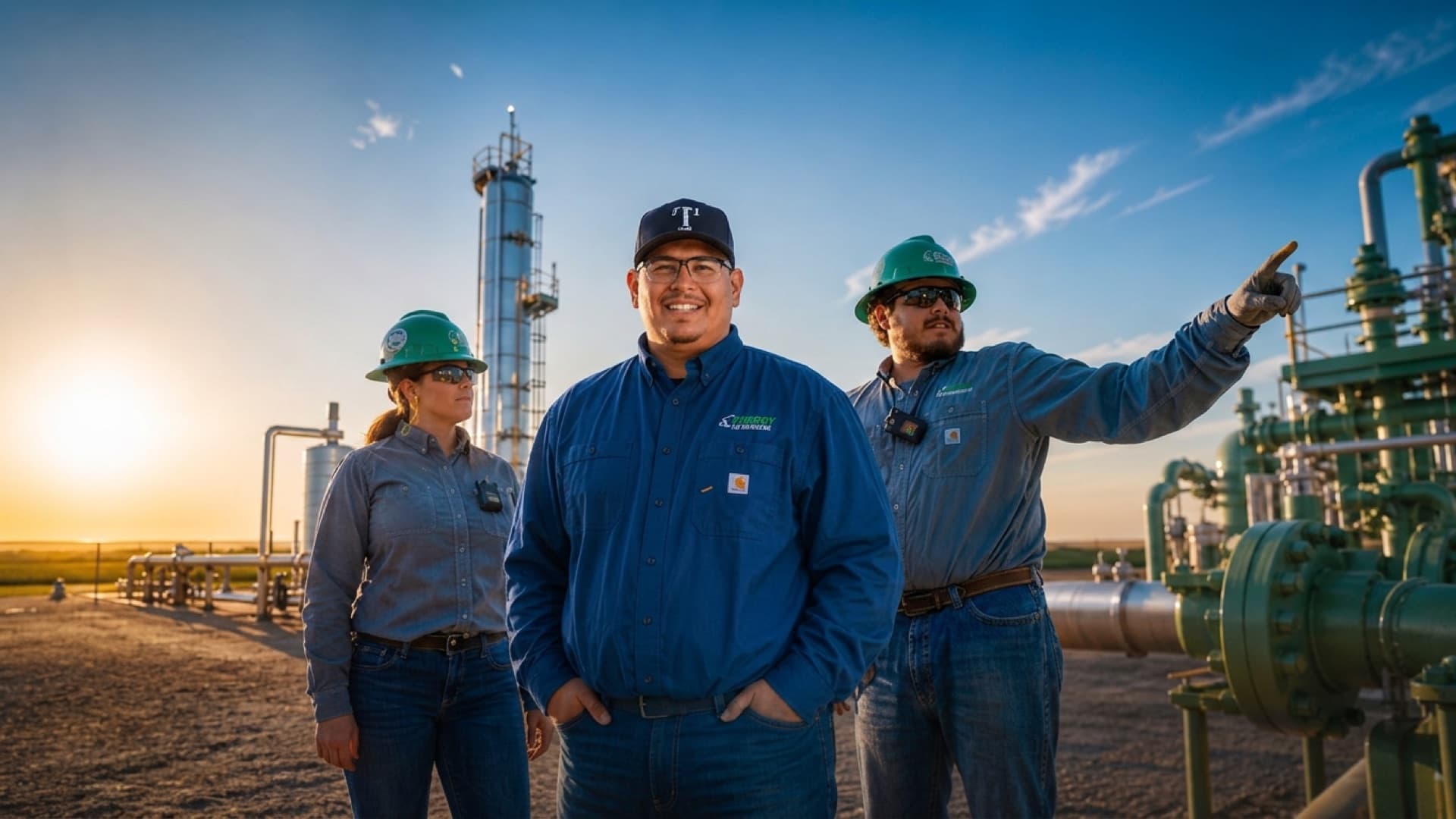
A twelve-person commercial crew with grip trucks rarely belongs inside an active plant. A two- to four-person senior field crew moves faster, stays safer, and captures more honest moments.
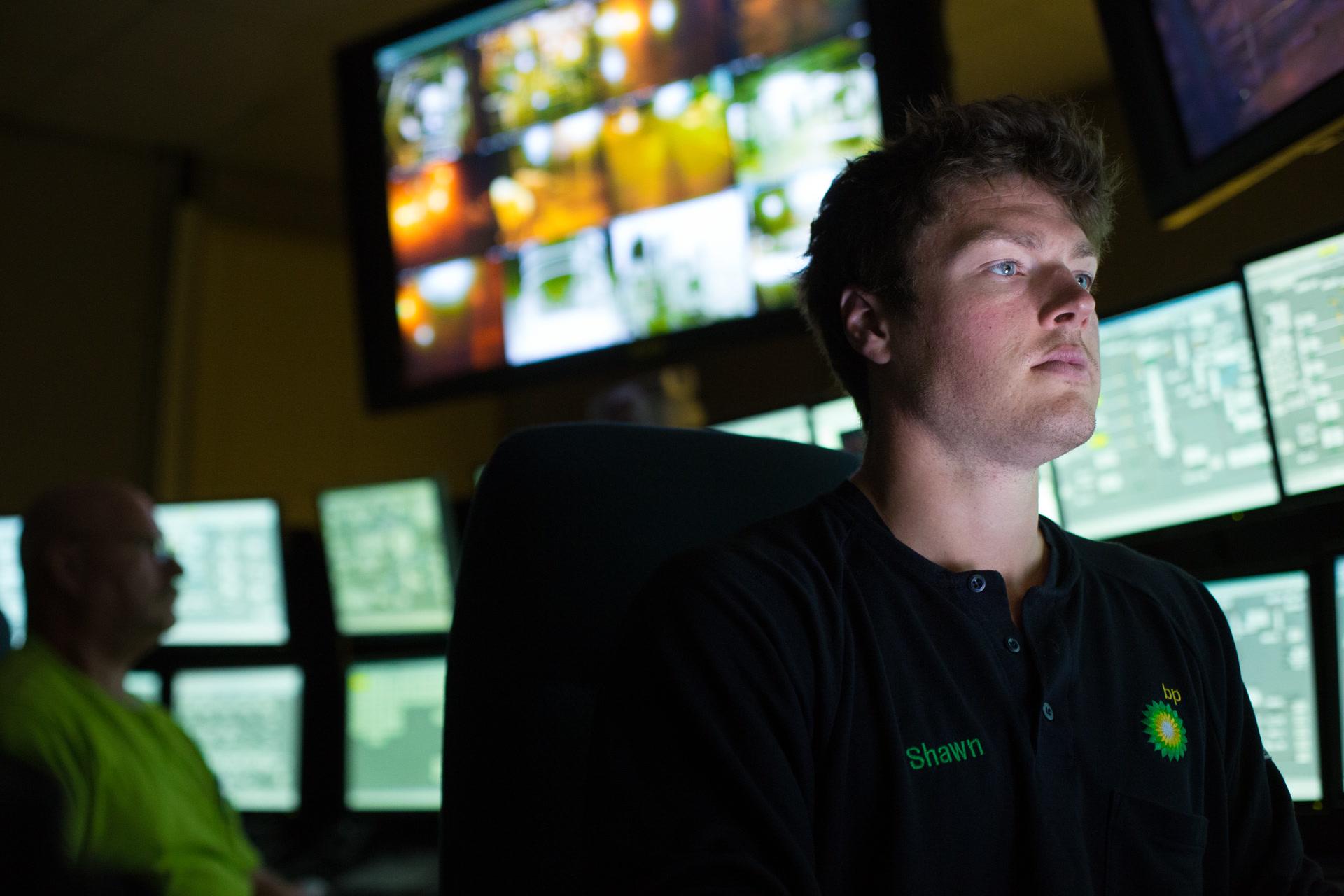
Every person walking through a gate should carry a direct role and travel light: compact cinema bodies, fast prime or zoom glass, battery-powered bi-color LEDs that set up in minutes, and dual-system audio engineered to isolate voices over compressors, HVAC, and process hum.
Before stepping into a control room or shop bay, designate one clean staging corner for cases so egress paths, fire lanes, and operator panels stay completely clear.
Chapter 04 · Natural Technical Voices
Let Operators Speak Plainly
Engineers, supervisors, and technicians lose credibility the moment someone hands them corporate marketing copy. Preparation—not a word-for-word script—is what delivers sharp soundbites.
Hold a 15-minute pre-interview phone call a few days prior. Ask what actually matters about the process, what mistakes new hires make, and what they are proud of when a job goes right. You will hear the clearest phrasing on that call.
On shoot day, pre-light and sound-check the room before the speaker walks in. Keep the interview conversational and under 30 minutes so supervisors get back to their crews while their energy is still sharp.
“Technical audiences spot a rehearsed slogan in three seconds—and trust a plainspoken operator in five.”
Chapter 05 · SME & HSE Review
Verify Accuracy With Structured Review
An industrial film is never finished until HSE, engineering, and communications verify every visual detail—from PPE compliance in background shots to exact equipment terminology.
Sending video attachments over email or chasing spreadsheets of conflicting feedback is where industrial projects stall for months. We route every cut through Co-VideoPro so site managers, HSE leads, and brand stakeholders watch the exact same version and pin notes directly to the frame and timecode.
Every revision is tracked cleanly from rough cut to approved master—so once legal and operations sign off, your team ships main films, safety chapters, and sales cutdowns with complete confidence.