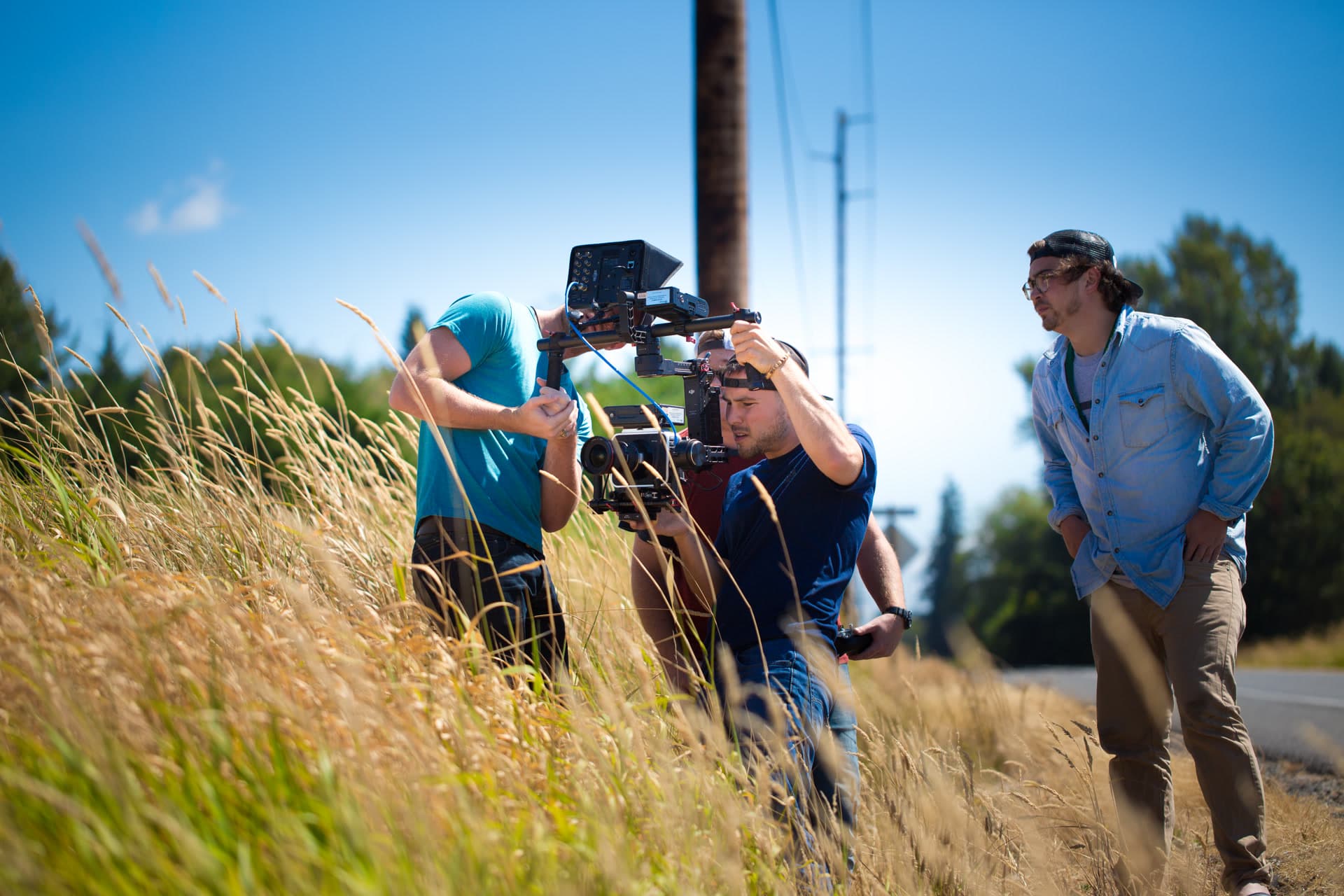
Looking back at footage from years ago, what strikes me isn't how much the cameras have changed. It's how much the work still comes down to the same thing: noticing what matters, understanding people, and finding a way to make someone else see it.
But I also spent a lot of time looking at everything surrounding the film: how a project begins, how a message gets shaped, how ten different perspectives become one, and how we review it, improve it, and get it into the right hands.
So we started rebuilding the experience—from our website and creative brief to the software behind production. Some of those internal tools have grown into products of their own. This first edition of The Work Behind the Work documents what the field taught us in 2026 and where those lessons are taking us next.
Chapter 01 · The Work
The work that brought us here
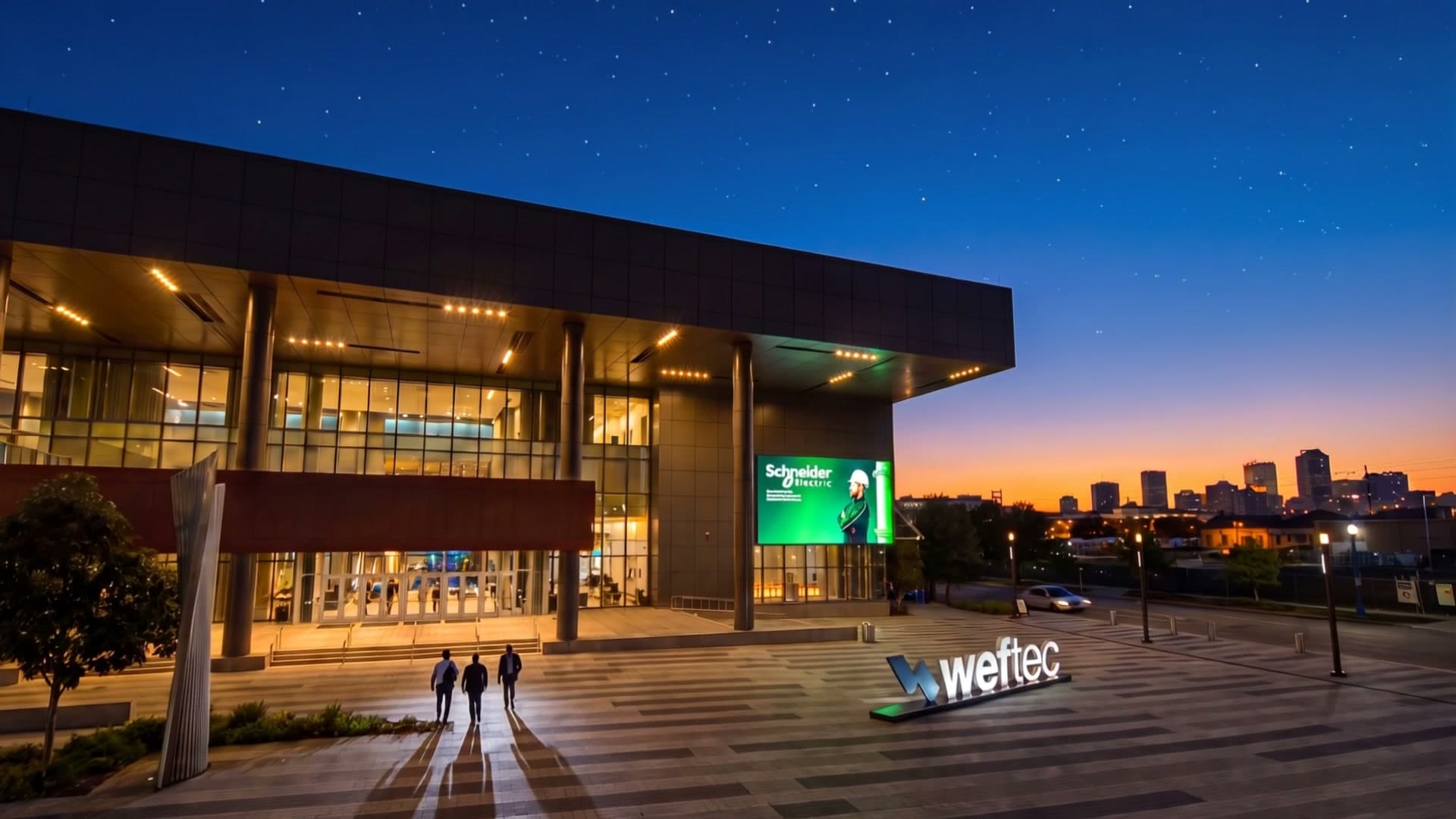
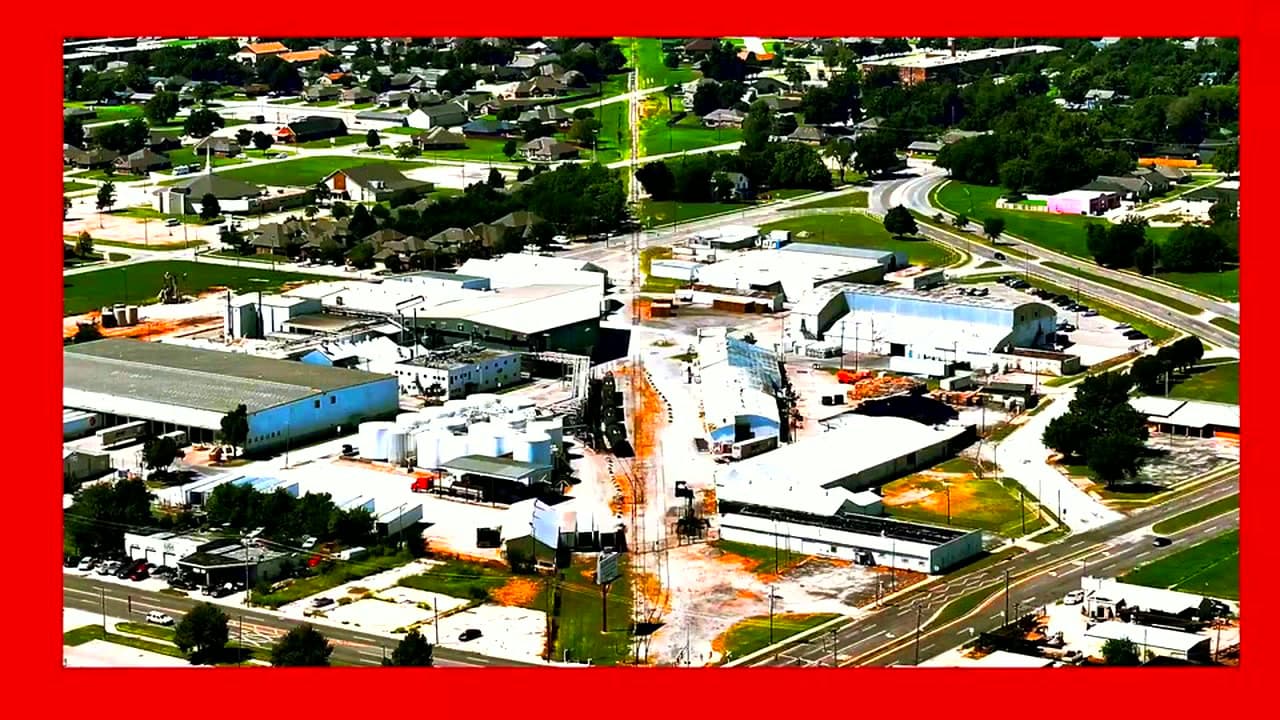
Some of the most important work happens in places most people never see. Control rooms, utility facilities, manufacturing floors — places where thousands of daily decisions shape what happens outside the walls. I've spent fifteen years learning how to tell those stories through the people who know them best.
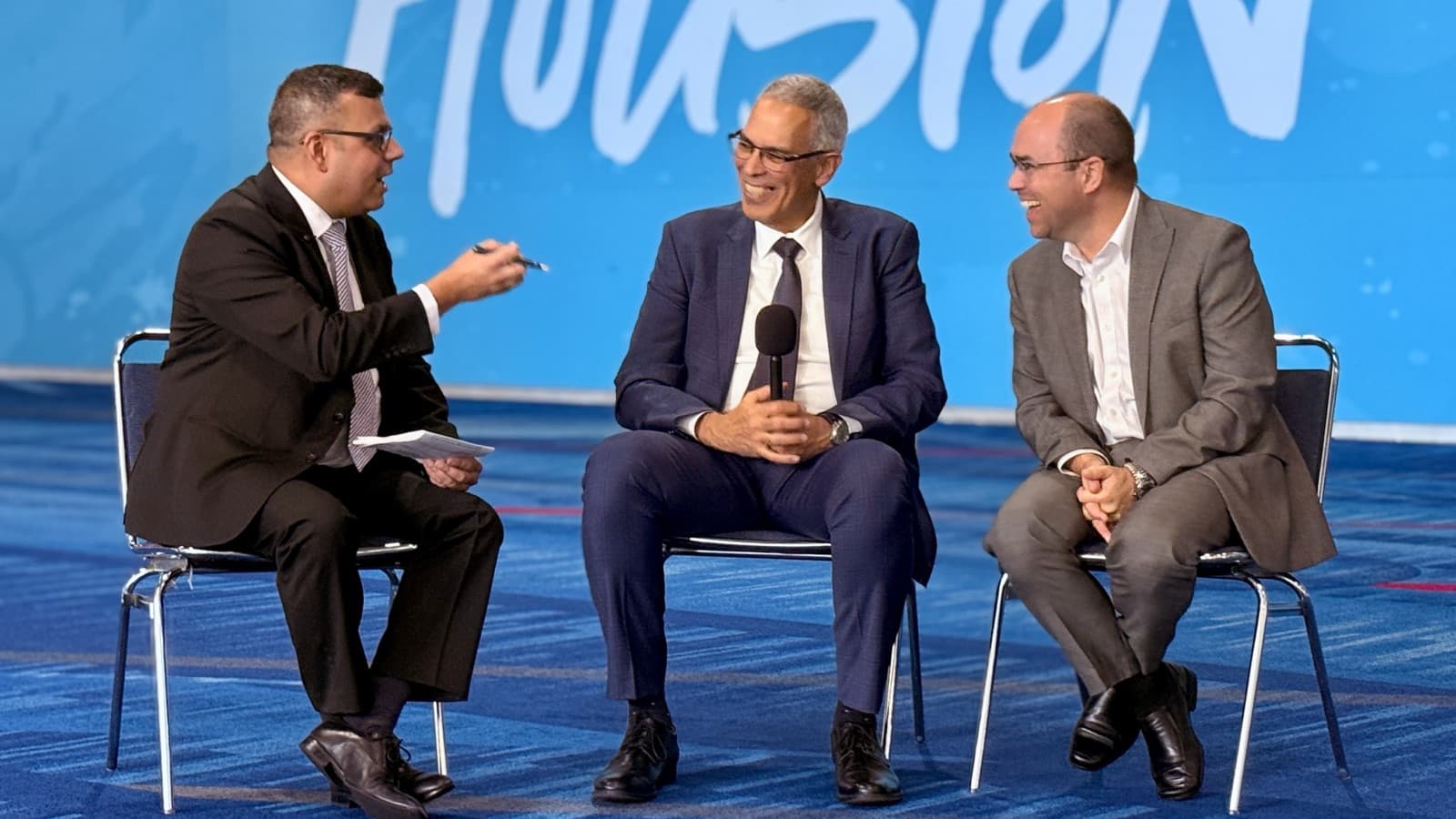
Across energy conferences, water infrastructure floors, refinery safety rollouts, and community tributes, the discipline stays the same: show up prepared, stay out of the crew's way, and let technical leaders speak in their own words.
Minimal disruption is not a production slogan. When a plant is running or an executive calendar is packed between sessions, earning trust on site is what unlocks the candid moment a camera can actually keep.
“The field taught us what the software needed to do.”
Chapter 02 · Value Beyond
The value beyond the screen
A film's value doesn't end when someone finishes watching it. Sometimes its most important effect happens later — in a leadership meeting, a customer conversation, or a decision it helps someone make with conviction. That's the return I've always cared about: not simply being seen, being understood.
Most metrics stop at view counts. In industrial and B2B work, the real return shows up weeks later: a prospective customer walking into a technical meeting already aligned, a safety supervisor using one crisp chapter to open a crew discussion, or an executive team speaking from one shared narrative.
When a film is built around a real operational question instead of generic brand polish, it keeps working long after launch week.
“A film's most important moment may happen after the screening.”
Chapter 03 · Front Door
Rebuilding the experience
Most production friction starts before cameras ever roll — scattered emails, unclear priorities, and misaligned assumptions. We rebuilt contentco-op.com and our two-minute creative brief so clarity starts at the front door and carries straight into production.
Every friction point on set usually traces back to how a project started. We rebuilt contentco-op.com around clarity: a curated portfolio answering the five questions a buyer actually cares about, paired with a two-minute creative brief that aligns scope, timeline, and context before a single camera case opens.
The goal is simple: spend less time deciphering email chains and more time shaping the story that matters.
Chapter 04 · Co-VideoPro
The problems that became products
On complex industrial shoots, the hardest stretch often starts after the edit — getting operations, brand, and leadership aligned on the exact frame. We built Co-VideoPro so review, approvals, and final delivery live in one calm place around the film.
Instead of bolting another third-party review tool onto a complex production, we built Co-VideoPro around the film itself—so producers, editors, legal reviewers, and executives look at the exact version, timecode, and frame together.
Frame-pinned notes, side-by-side cut comparisons, clear version milestones, and clean final delivery turn review cycles from scattered inbox threads into deliberate, traceable decisions.
“Making more content and creating more value are two very different things.”
Chapter 05 · Brand System
Giving the brand a living system
Organizations spend years defining how they should look and sound, only to re-explain those standards at the start of every project. Treating brand guidance as living production context lets teams move faster while subject-matter experts stay in charge of every word.
In multi-project industrial engagements, brand drift creeps in through small inconsistencies—lower-third layouts, approved terminology, visual references, and tone across regional teams. A structured Brand Engine turns those approved standards into a reusable working reference.
Intelligent tooling accelerates preparation and first-pass alignment while experienced producers and subject-matter experts remain firmly in charge of every editorial call.
Chapter 06 · Agency in a Box
Bringing storytelling closer to the source
Some stories call for a full crew on site; others happen on an ordinary Tuesday when an expert has something urgent to explain. Pairing a compact field kit with Co-VideoPro brings credible storytelling closer to the people doing the work.
Not every meaningful story warrants flying in a multi-person cinema crew. Sometimes the operator standing beside a commissioning milestone or an engineer solving a field problem has sixty seconds of clarity that should be captured that afternoon.
Agency in a Box pairs compact, field-ready capture hardware with guided remote production and human-approved finishing—compressing the distance between real work and published communication without sacrificing credibility.
Chapter 07 · Next Era
The next era is human
To the people who invited us into their world this year — the engineers, operators, executives, communications teams, and crew working behind the scenes — thank you. The tools will keep moving, and human judgment will matter more than ever.
Production software and intelligent workflows are compressing the mechanical distance between brief, shoot, review, and delivery. That speed only matters if it protects what makes documentary storytelling worth watching in the first place: real people, real stakes, and honest craft.
If you want to experience this dispatch with interactive chapters and visual studies, you can also explore our companion year-in-review experience.
“The future of communication isn't just more content. It's more understanding.”