


Understanding Is the Outcome
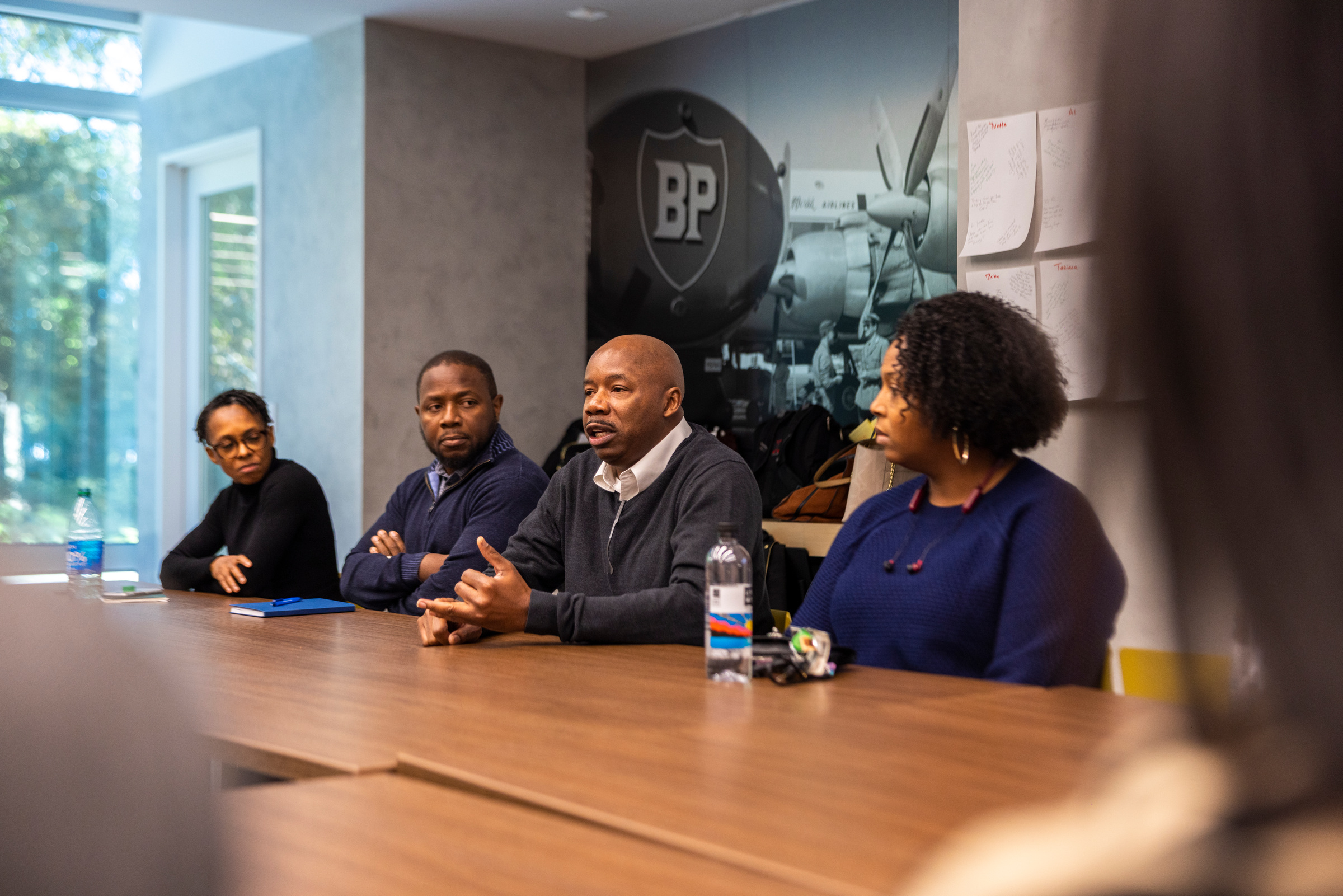
Communication succeeds when the right people understand something important — not simply when a film gets published. Seeing an operator or leader speak candidly carries conviction that memo slides rarely match.
Content Co-op · 2026 Editorial Review
The people, the films, and the systems we built around the work.











00 · Founder essay
The next competitive advantage in enterprise communication won’t come simply from producing more clips. It comes from communicating what matters, accurately and consistently, at the speed your business actually moves.
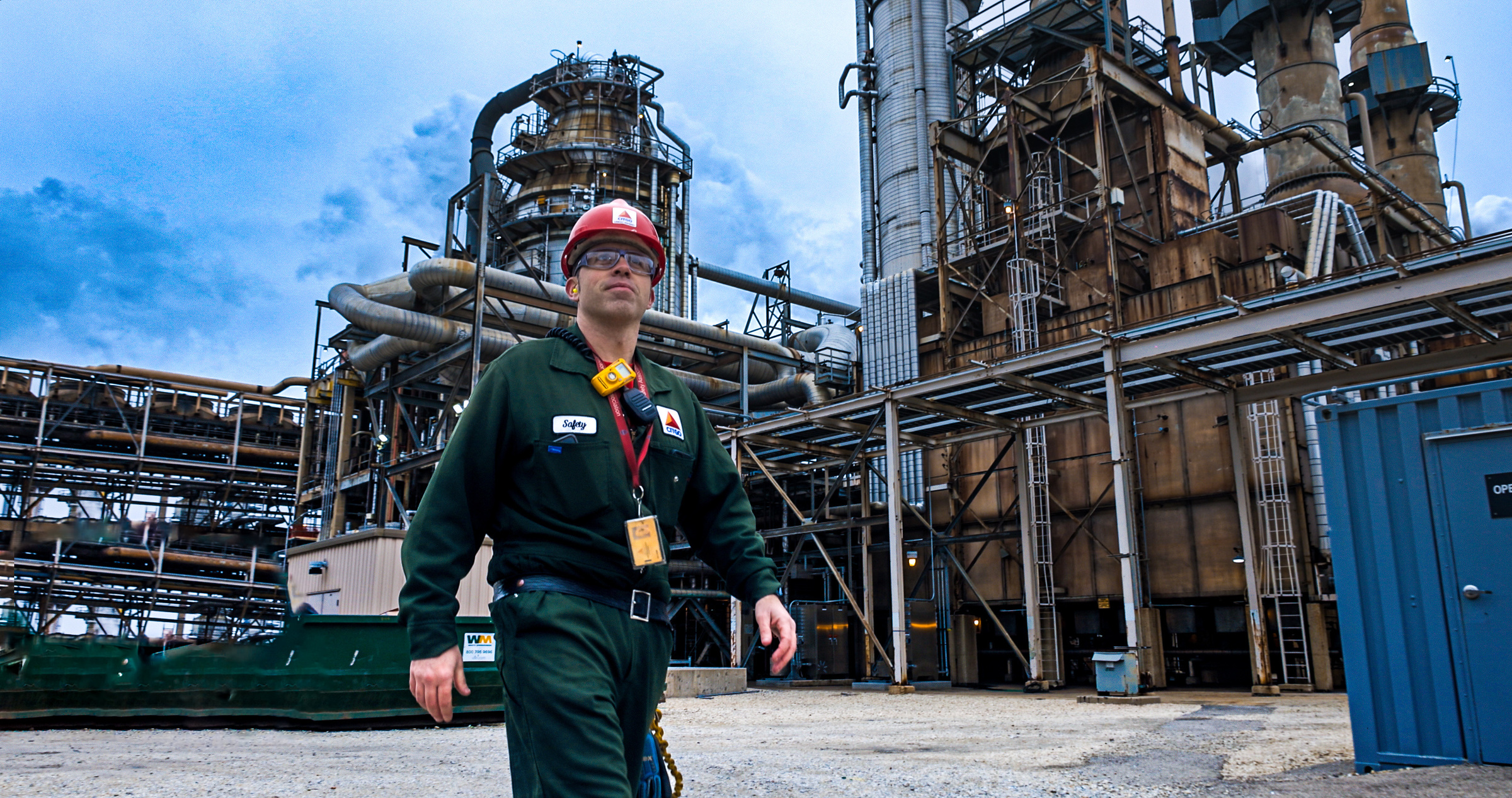
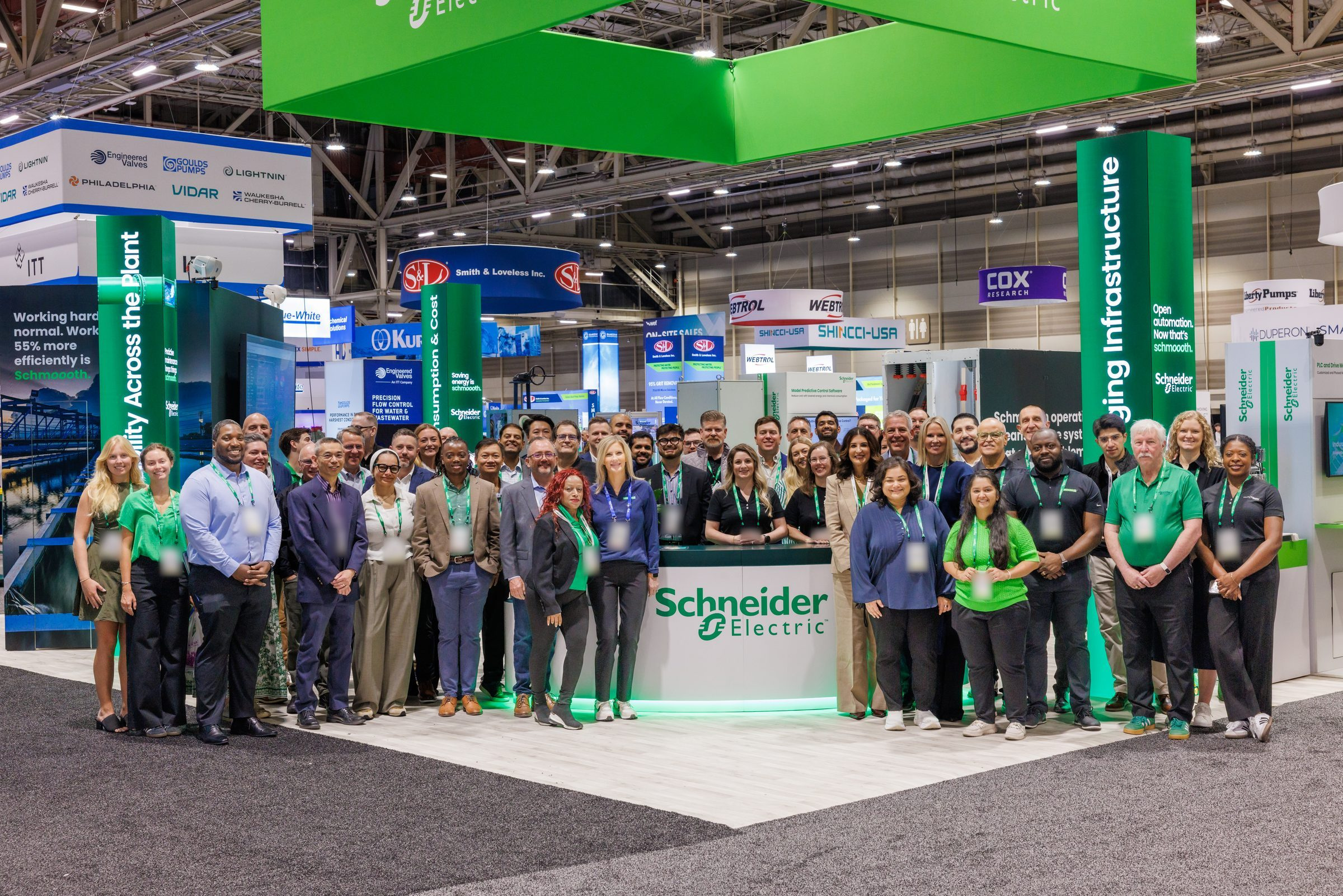
For more than fifteen years I’ve filmed inside places where getting a story right is genuinely hard: refineries, utilities, industrial automation floors, control rooms, and leadership tables across bp, CITGO, ABB, Kodiak, Conexon, and Schneider Electric. Those assignments require balancing technical accuracy, safety reality, brand expectations, stakeholder reviews, and tight operational windows all at once.
“The field taught us what the software needed to do.”
Cameras and software keep getting more capable every quarter. That doesn’t diminish human craft — it raises the premium on editorial judgment. As production friction compresses, the work shifts toward knowing which questions earn trust on location, structuring complex material so viewers stay with it, and giving your best internal leaders a cleaner way to be seen and understood.
 Bailey Eubanks · Founder, Content Co-op

01 · Real field work first
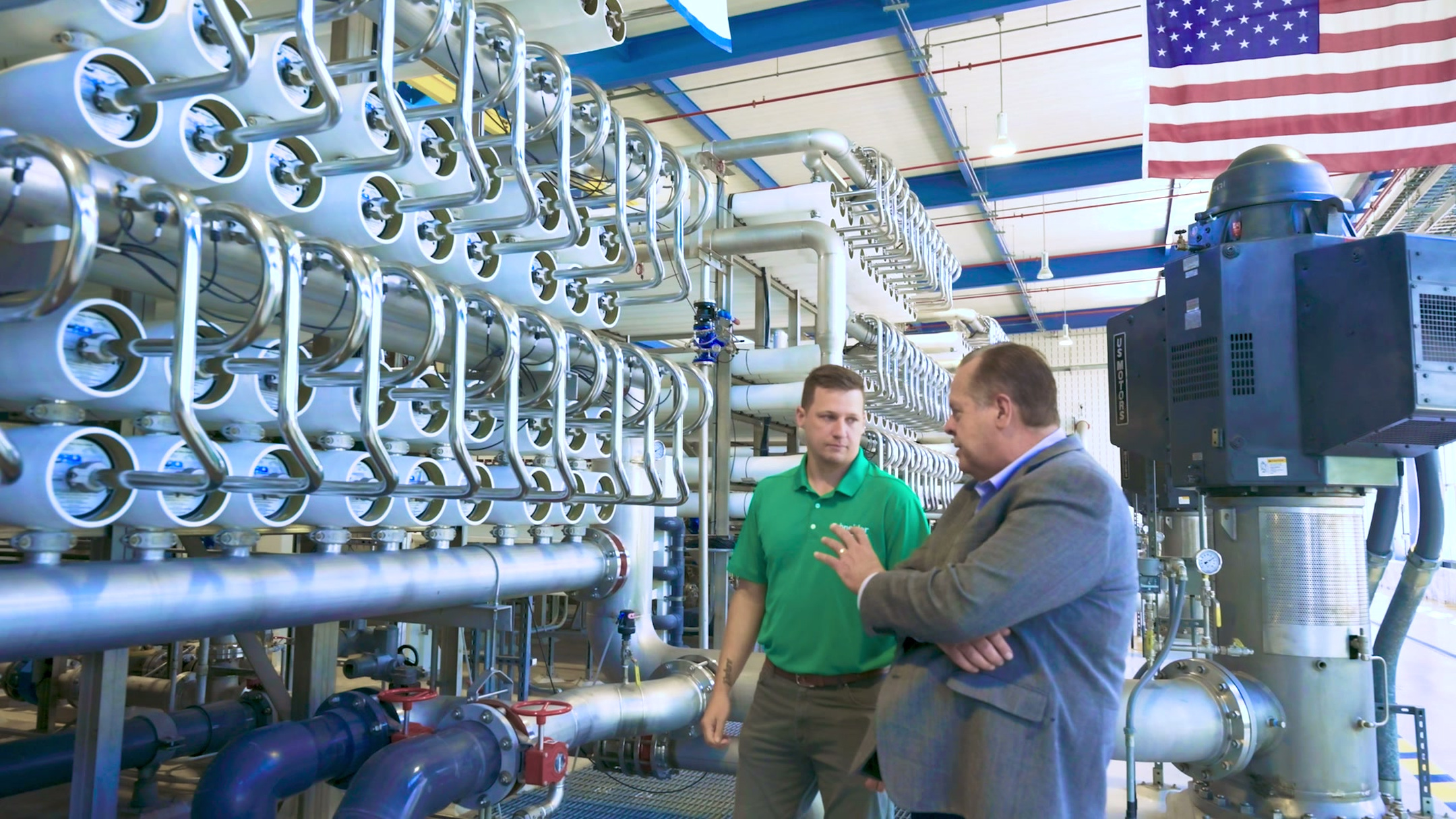
Before building tools, we lived inside the field work. With Schneider Electric and El Paso Water, two field trips and seven interviews across municipal water plants and SCADA control rooms showed us how technical accuracy and multi-team review collide in real life — and gave us the exact blueprint for what needed fixing.



02 · Why story structure still decides outcomes
Making more content and creating more value are two different things. View counts never tell you whether a boardroom understood the engineering call or a prospective partner trusted the team behind the film.
“A film’s most important moment may happen after the screening.”
Communication succeeds when the right people understand something important — not simply when a film gets published. Seeing an operator or leader speak candidly carries conviction that memo slides rarely match.
A well-made production shouldn't vanish after one campaign week. Approved footage, brand standards, and technical context belong in a coherent library that supports sales, training, leadership, and future films.
As technical tools compress assembly, versioning, and repetitive handoffs, editorial accuracy, trust, story structure, and human judgment become more valuable — never less.
Every segment should justify the viewer's next thirty seconds through structure, visual movement, and clear stakes — whether the piece runs sixty seconds or twelve minutes.
03 · From field friction to calm systems
The bottleneck on complex productions is rarely the camera. It’s misaligned intake, ten reviewers leaving notes across separate email threads, and brand standards getting rebuilt from scratch on every shoot. Every system we built — from our creative brief to Co-VideoPro — grew directly out of solving those real field problems.

Technical accuracy, brand standards, and executive sign-off often collide inside the same thirty seconds. Co-VideoPro keeps notes pinned to the exact frame and lets reviewers inspect the cut together — so feedback resolves cleanly without ten disconnected email threads.
Extended twelve frames — cuts cleanly into the next beat.
Brand context that carries forward
Instead of rediscovering your brand book at the start of every project, approved typography, lower thirds, reference cuts, and terminology can guide early drafts — while your reviewers always sign off on what ships.
“When municipal infrastructure faces sudden weather shifts, operators rely on clear system visibility long before peak demand arrives. Walking viewers from real field hardware straight into the control room shows how engineering teams make those calls.”
Agency in a Box · Compact on-site capture & training
Some stories call for a full crew on site; others happen on an ordinary Tuesday when a plant leader or engineer has something urgent to explain. Pair a compact rear-camera travel kit (magnetic rear monitor, wireless dual lapel audio, pocket fill light, and carbon tripod) with hands-on framing training and Co-VideoPro’s 4-stage ingest and frame-pinned approval workflow — with upcoming two-seat Interview Chair capture in development and mandatory human sign-off before anything publishes.
Concept prototype · Beats 01–07 connect compact on-site capture into Co-VideoPro draft assembly, with mandatory human review and approval before anything publishes externally.
04 · Looking forward
Software compresses busywork — intake friction, scattered feedback threads, versioning, and delivery handoffs — so filmmakers and subject-matter experts can focus on what audiences remember: true stakes, clear structure, and authentic human conviction.
To the people who invited us into their world this year — the engineers, operators, executives, communications teams, and crew working behind the scenes — thank you. You trusted us to represent your work, and in the process, you helped shape ours.
“The future of communication isn’t just more content. It’s more understanding.”
